Quigioco Casinò App In Italy

In 2026 Quigioco will be available on Italy and on smartphones, focusing on quick access, a clear account, and more organized sessions.

Fortune Gems 2 Slot

Table of Contents

  • The Dog House Megaways Slot
  • Lucky Joker 10 Extra Gifts Slot
  • Sword of Ares Slot
  • Floating Dragon Hold & Spin Slot
  • Leprechaun Riches Slot
  • Fruit Cocktail Slot
  • The Dog House Megaways Slot
  • Sword of Ares Slot
  • Fruit Million Slot
  • The Dog House Megaways Slot
  • Big Fisherman Slot
  • Big Fisherman Slot
  • Seven Books Unlimited Slot
  • Quigioco Fortune Slot
  • Sword of Ares Slot
  • Floating Dragon Hold & Spin Slot
  • 9 Mad Hats Slot
  • Floating Dragon Hold & Spin Slot
  • Big Bass Splash Slot

Why Quigioco App Matters In 2026

When a platform works well on a phone, you notice it immediately. You open your profile, understand where you are, find your balance without searching too much, and can move between sections without that feeling of confusion that often ruins short sessions. In 2026, this weighs even more, because for many users, the smartphone is the primary screen, not an emergency one.

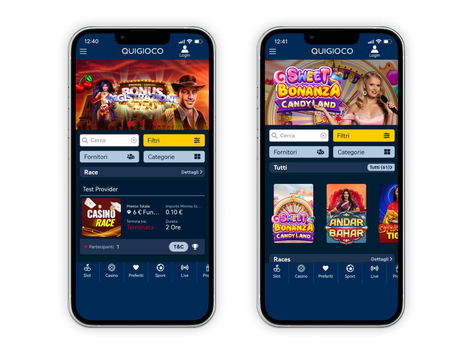
App 1

Immagina una scena semplice. Sei fuori casa, hai pochi minuti e vuoi solo entrare, controllare il conto e decidere se ha senso restare. Di solito chi usa bene una piattaforma mobile non parte dai giochi. Parte dall’orientamento. Guarda il saldo, controlla se ci sono notifiche utili e poi sceglie la direzione. Questo piccolo ordine iniziale evita un numero sorprendente di errori.

The platform is available in Italy for adult users and should be used in compliance with applicable rules and personal limits. Precisely for this reason, the convenience of the phone should never turn into automatism. The easier it is to log in, the more important it becomes to know why you are logging in and what you want to do once inside.

application 2

Registration And First Login

Registration is where many start to rush. They enter data, confirm without rereading, and think the rest will sort itself out. On the phone, this habit weighs more because everything seems quick, compact, almost trivial. In reality, the account works well when it's created cleanly: consistent contact details, a strong password, clear steps, and a final check done with real attention.

Immagina di compilare il profilo mentre rispondi a un messaggio, cambi schermata e ricevi una notifica. In un contesto del genere basta un attimo per scrivere male un dato, saltare un controllo o chiudere una schermata troppo presto. Chi usa bene il conto, di solito, si prende qualche minuto pieno, fa una sola cosa alla volta e tratta la registrazione come un’azione separata dal resto.

Even the first login after opening the profile deserves an extra step. It's not advisable to start a session right away. It's much better to first take a tour of the personal area, see where payments, history, and support are located, and the settings. This initial orientation seems small, but it makes a big difference when you actually need to use the account.

Using Quigioco Casino App Without Confusion

A good phone experience doesn't just depend on graphics. It depends on how well the path guides you without forcing you to guess. If you open your profile and immediately understand where to find the main functions, the session starts with a different tone. If, however, you have to look for your balance, history, or menu every time, even a few minutes become burdensome.

Imagine logging in in the evening after a long day. You have little patience, you want to do things quickly, and precisely because of this, you risk making mistakes. Those who manage their account well at that moment make a simple choice: they slow down slightly, read the first screen carefully, and only then decide where to go. It's a small difference, but it protects both your time and your clarity.

Many users think that 'fast' means 'better'. In practice, however, speed without order only creates more taps and more corrections. A clear structure, on the other hand, allows you to do fewer things but better, which on a smartphone is almost always the most important advantage.

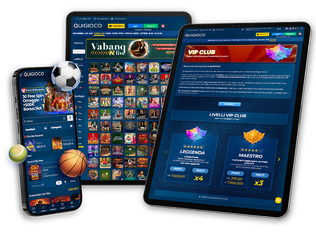
App 3

Navigation, Lobby, and Short Sessions

Mobile navigation should be used with a different logic than on a computer. On a desktop, you can open multiple sections, compare screens, and keep everything under control with more space. On a phone, it's best to do the opposite: choose a direction, use few filters, open two or three options, and decide. This reduces noise and makes the experience more readable.

Imagine a normal evening. You have fifteen minutes and want to log in, choose something, and log out without complicating your life. If you start changing categories every thirty seconds, time runs out before you've even made a sensible decision. Usually, more attentive players start with the context: today I just want to take a look, today I have time for a short session, today I prefer to stay a few minutes. From there, they build everything else.

A well-designed lobby isn't one that shows as many things as possible, but one that leads you to the right place without forcing you to wander. Clear menus, easy return to home, readable search, and favorites that are easy to find are more important than a very long but scattered list. In 2026, the value of the phone version lies primarily here: less noise, more direction.

App Quigioco and Daily Rhythm

The relationship with a platform changes a lot when it becomes part of the real daily routine. You open your profile in the morning to check something, return in the evening for a few minutes, maybe log in again later to check your balance. If the structure is consistent, each access feels familiar. If, however, you have to find the same functions from scratch every time, the convenience quickly disappears.

Immagina due utenti diversi. Il primo usa il telefono solo in brevi pause, il secondo quasi sempre. Entrambi hanno bisogno della stessa cosa: stabilità. Devono ritrovare saldo, storico e area personale nello stesso posto, con la stessa logica. Chi valuta bene una piattaforma mobile guarda proprio questo, non solo la velocità del caricamento.

When the daily rhythm is clear, even decisions improve. You log in for a specific reason, do what you need to do, and then log out. If, however, the account becomes a sequence of automatic taps, the initial ease turns into dispersion. And this, in online gaming, is a signal to be taken seriously.

How to Choose from the Phone Without Getting Lost

The most useful choice almost always starts with the real time you have available. If you have ten minutes, it's not advisable to enter a huge, scattered section. If, however, you have more time, you can afford a broader exploration. It seems trivial, but many do the opposite: they open everything without understanding how much time they really want to dedicate to the session.

Imagine you're on a break and want to do everything quickly. The phone invites you to scroll, open, change, try. Those who maintain control behave differently. First, they decide the type of session, then they choose the content. This way, the device remains a practical tool, not an invitation to stay connected longer than necessary.

Here too, the point isn't pure speed, but rhythm. Choosing well means reducing unnecessary steps and ensuring that every tap has a purpose. This is what truly makes a mobile platform good.


Payments, Verification, and Account Management

The financial part requires more clarity than anything else. Deposits, profile verification, balance checks, and withdrawal requests should never be treated as activities to be done between one notification and another. The phone makes everything quick, but speed is only useful if your mind is calm. The best method remains linear: first the profile, then the history, then the chosen method, and only at the end the confirmation of the operation.

Imagine you've just finished a session and want to sort out your account immediately. If you open the payments section without knowing exactly what you need to do, you often end up tapping more screens than necessary and going back several times. More organized players do the opposite. They first decide whether they need to verify, deposit, or check, then they open only the relevant area. This difference, on a smartphone, matters a lot.

Even data verification should not be left until the last moment. Illegible photos, inconsistently written information, or documents uploaded in a hurry make operations more complicated that would have been simple with better preparation. Just five full minutes, with good light and complete attention, are enough to avoid most subsequent problems.

Aspetto Del Conto

Cosa Conviene Controllare

Why It's Useful

Profilo personale

Dati coerenti e recapiti aggiornati

Riduce correzioni nelle fasi delicate

Storico operazioni

Movimenti recenti e riepilogo chiaro

Aiuta a leggere la situazione reale

Chosen method

Compatibilità con il conto

Evita passaggi ripetuti

Documents

Legible images and complete information

Previene invii multipli

Momento dell’operazione

Tempo e attenzione disponibili

Limita errori dovuti alla fretta

Quigioco Mobile Tra Browser E Smartphone

Part of the experience also depends on how you use the device in your routine. Some users prefer to log in through the browser, others want more direct access from their phone. Neither habit is automatically better. What matters most is that the path remains clear, consistent, and doesn't push you to log in more often than necessary just because it's easy to do so.

Immagina di aprire il conto al mattino per controllare una cosa e poi di tornarci la sera. Se la struttura del profilo è stabile, il telefono resta uno strumento pratico. Se invece ogni accesso cambia sensazione e logica, aumenta la dispersione. Chi usa bene una piattaforma mobile tende a scegliere l’opzione che semplifica la routine senza trasformarla in un riflesso.

In 2026, the difference will not only be made by smartphone presence, but by the quality of daily use. A truly well-built account accompanies you through login, personal area, gaming, balance check, and logout without forcing you to start over every time. This continuity is one of the strongest elements in a serious evaluation.

Budget, Breaks, and Personal Limits

The most important part of a session is not what you choose, but how you manage to stay within pre-decided boundaries. If you don't define your budget and duration beforehand, even the best interface in the world won't protect you from confusion. The phone makes everything easier, and precisely for this reason, it requires a clearer personal structure.

Imagine an evening when you log in almost out of habit. You have your phone nearby, open your account, and think you'll only stay for a short while. If you haven't already decided how much you want to use it and when you want to log out, the risk of extending the session increases immediately. Usually, the most responsible players start with two very concrete numbers: maximum amount and maximum time. From there, they build everything else.

You don't need a complicated system. Sometimes very simple rules are enough: an amount separate from daily expenses, a real break, and the decision not to log back in immediately after leaving. These are practical tools, not symbolic ones. They work because they reduce improvisation and put control back where it belongs: in your hands, not in the rhythm of the phone.

Support, History, and Profile Logout

Assistance becomes truly useful when you come with a well-described problem. Just saying something is wrong helps little. It's much better to explain what you were doing, which screen you were on, what device you were using, and what checks you've already performed yourself. This precision almost always shortens the path to a useful answer and saves you time.

Imagine not seeing in your account what you expected after a session. Before panicking, retrace your steps. Did you check the history? Did you read the summary carefully? Did you verify if the problem always appears in the same place? The history is one of the most useful areas precisely for this: it shows you the facts, not just your memory of the session.

Even logging out of your profile matters more than it seems. An orderly session ends with a summary, a check of the time used and budget respected, and then a proper account closure. It's a small gesture, but in the long run, it changes a lot, as it reduces impulsive logins and better protects your account.

FAQ

The most useful way is to log in with a specific objective. First, check your account, then decide what you want to do, and only then truly start the session. Many users get confused because they open too many sections at once and move from one screen to another without a clear direction. On smartphones, a short path with few steps and a pre-planned exit works best.

It depends on the context and how much attention you can dedicate at that moment. The phone is very practical for daily use, but a larger screen can help when you need to re-read personal data or better check a final screen. The best choice is not the absolute fastest device, but the one that allows you to make fewer mistakes. If you are distracted or on the go, it's often better to wait for a more stable moment.

It's worth checking your profile, recent history, the method you want to use, and the time you intend to dedicate to the session. This order avoids one of the most common mistakes, which is making a financial transaction without truly deciding on the context. When you already know how much you want to use and why you are logging in, the account is read better, and every subsequent decision weighs less. It's a brief but very useful preparation.

The best time is before they are really needed. If you wait until the last phase, haste increases, and any illegible image risks making you waste time. Preparing everything in advance, in a quiet moment, with good light and full attention, almost always reduces hitches. It's one of those inconspicuous tasks that greatly simplify the rest of the process.

Usually, the signs are very concrete. You check your balance too many times, change screens without a clear reason, postpone logging out, or stay longer than planned. When you notice these behaviors, the most useful action is to stop and take a real break. The most attentive players don't wait for the disorder to become obvious. They recognize it early and act sooner, precisely to avoid turning a manageable session into something automatic.

Because it shows you the facts and not just your memory of the session. If you have a doubt about a transaction or a step you think you've already completed, the history is often the most useful point to check. It helps you reconstruct what really happened and also makes the dialogue with support much clearer. For this reason, it's one of the most important areas of your account.

Because the quality of the session is also seen in how it ends. Looking at the summary, checking if you respected time and budget, and truly closing the profile helps protect both your account and your personal rhythm. Many useless logins stem from suspended sessions, on the phone or in your head. A good closure also makes everything clearer for the next time.