













Quigioco Review For Users In Italy

In 2026, those evaluating Quigioco in Italy seek a clear picture: account, sessions, controls, and the platform's real pace.

Fortune Gems 2 Slot

Table of Contents

  • The Dog House Megaways Slot
  • Lucky Joker 10 Extra Gifts Slot
  • Sword of Ares Slot
  • Floating Dragon Hold & Spin Slot
  • Leprechaun Riches Slot
  • Fruit Cocktail Slot
  • The Dog House Megaways Slot
  • Sword of Ares Slot
  • Fruit Million Slot
  • The Dog House Megaways Slot
  • Big Fisherman Slot
  • Big Fisherman Slot
  • Seven Books Unlimited Slot
  • Quigioco Fortune Slot
  • Sword of Ares Slot
  • Floating Dragon Hold & Spin Slot
  • 9 Mad Hats Slot
  • Floating Dragon Hold & Spin Slot
  • Big Bass Splash Slot

What to Look For In Quigioco Reviews Before You Start

When a person reads opinions about a gaming platform, they usually don't want generic enthusiasm. They want to understand how to open an account, how readable the personal area is, whether the balance is checked frictionlessly, and if the most common steps flow in order. Imagine a normal evening: you have twenty minutes free, you open your phone, and you wonder if it's worth registering or not. At that moment, practical details matter more than catchy phrases.
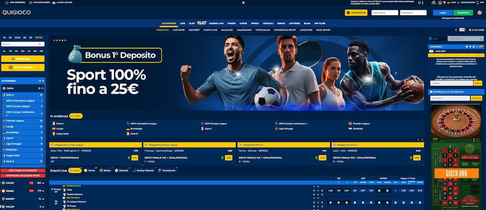
Reviews 1

Truly useful evaluations are almost always those that describe concrete actions. Those who explain how they completed their profile, how they chose the payment method, how they read the final summary, or how they managed a break provide real material. Those who simply say the experience is "great" or "convenient" leave little to use. Therefore, before starting, it's advisable to filter opinions with a simple question: are they helping me imagine the real journey?

Why Useful Quigioco Reviews Are Concrete Ones

An evaluation is useful when it allows you to see the platform in action, not when it remains suspended in vague formulas. If you read that the account opens in an orderly manner, that the balance is easily re-checked after a session, and that personal limits are set without confusion, you are receiving usable information. Imagine two different opinions: one tells you that "everything is fine," the other explains what they did in the first ten minutes. Almost always, the second one helps you more because it transforms a feeling into a sequence of steps.

How to Read Quigioco Reviews Without Getting Fooled

Many users seek confirmation, not information. They enter opinions with the idea of finding a ready-made answer, and thus end up giving too much weight to tone and too little to facts. It's a common trap. Imagine reading ten very enthusiastic comments but lacking details about the profile, account movements, or time management. In the end, you'll be left with an impression, not a real understanding.

A colder approach usually works better. Separate comments by moments: registration, balance usage, support, break, fund withdrawal. In a few minutes, the picture changes. You are no longer looking for the most positive phrase, but for the one that describes the part of the journey that matters for your playing style.

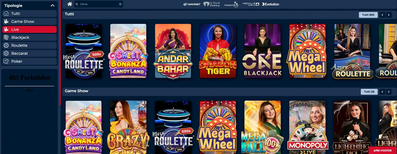
Registration, Profile, and Initial Checks

After reading a sensible overview, the best choice is almost never to rush to deposit. First comes registration, then profile check, then verification of basic settings. Imagine opening an account during your lunch break and thinking of doing everything in three minutes. In many cases, you can complete the procedure, but it's not certain that you are truly reading what matters.

customer feedback 2

Registration should be treated as a practical procedure. Every piece of data entered at the beginning has weight later on: login, confirmations, account history, any support requests, and balance reading. If something is filled out in a hurry, the problem doesn't always appear immediately. It often emerges later, when you are already trying to use the account peacefully.

A good habit is to separate the phases. Open the profile, check that the information is correct, observe where limits and settings are located, then return later to decide on budget and session duration. It seems small, but this division greatly helps to avoid impulsive choices.

How a Quigioco Review Can Truly Help

A well-done overview should help you precisely here: in understanding what to look at as soon as you enter. If a text reminds you to check the personal area, not to deposit immediately, and to read the summary carefully, then it is useful. Imagine arriving at the account with a small mental checklist already prepared. In that case, each screen weighs less, and the experience becomes more readable.

3 reviews

Review Quigioco and Managing First Login

The first login is the point where almost the entire initial impression is formed. Not because anything spectacular happens, but because there you make the decisions that influence everything else: time, amount, chosen method, level of attention, and time of closing. Imagine entering with the desire to "just take a look" and realizing after half an hour that you haven't decided almost anything clearly. It's a common scene.

To avoid this, it's advisable to follow a minimum order. First, observe the account, then choose your budget limit, then set the maximum session time, and only then evaluate the rest. When this sequence is clear, the platform also appears more linear. When it's missing, each decision tends to chase the previous one.

The budget, here, matters more than any promise. It should not arise from the desire to better exploit an offer or to start "strong." It should instead stem from your real week. How much do you want to spend without disturbing other expenses? How much time do you want to dedicate to a session without turning it into an automatic habit? These questions carry more weight than any initial enthusiasm.

Then there's the context. If you are tired, distracted, or doing something else, the first login becomes much less readable. Imagine registering while messages, notifications, or work requests are coming in. It's easy to misread the summary or skip a simple check. Often, the most satisfied users are those who postpone it for a few hours and start when they truly have a clear head.

Finally, there's the closing. Many pay all attention to the entry and almost none to the moment they decide to exit. Instead, the ending weighs heavily. Re-reading the balance, checking movements, and deciding whether to stop until the next day are actions that improve the quality of the experience as much as a good start.

Payments, Summary, and Budget Control

After the profile, the most concrete part of the experience concerns account movements. Here, the chosen method, familiarity with the tool, and the ability to read the summary without haste are very important. Imagine having just completed the first financial transaction and wanting to understand what has really changed. If the method is familiar to you, checking is easier. If, on the other hand, you chose something just because it seemed quick, you might find yourself with less clarity precisely when you need it most.

To make this phase more orderly, it's advisable to use a small practical guide and not let the moment decide everything on its own.

Element

What to Check

Why It Helps

Active Profile

Correct data and clear personal screen

Avoid corrections during operations

Chosen method

Familiarity and ease of reading

Helps to better track spending

Available balance

Difference between ready funds and recent history

Reduces misinterpretations

Session duration

Maximum time decided in advance

Prevents extending out of inertia

Final closing

Pausa e controllo dei movimenti

Aiuta a uscire con ordine

Recensione Quigioco E Lettura Del Saldo

A good overview should always explain how to read the balance during and after the session. It is one of the most useful points because it separates impression from concrete data. Imagine closing the game and wanting to understand what has really changed in your account. If you have the habit of rereading the summary immediately, you avoid many hasty interpretations and act with more clarity in the next step.

Quando Quigioco Trustpilot Aiuta Davvero

External ratings make sense when used as a complement, not as an automatic verdict. If they help you understand where users found clarity or where they had to stop and check better, then they can be useful. Imagine comparing what you read in a long review with a quicker external summary. In that comparison, the truly important details often emerge.

The point is not to chase the highest or lowest number. The point is to understand what kind of experience is being told. If themes like profile ease, balance readability, support quality, and break management recur, then you are reading material that can help you decide more realistically.

Mobile, Short Sessions, and Useful Breaks

In 2026, a huge part of access will be from smartphones, and this changes the pace considerably. On a small screen, you scroll more, read less, and tend to confirm too quickly. Imagine being away from home, with little battery and ten minutes free. In such a situation, a poorly read summary is enough to turn a simple access into a less clear experience than necessary.

For this reason, it is advisable to have minimal discipline when using mobile. First, scroll through the entire screen, then re-read the balance after each important step, then decide if it is really a session to be closed in a few minutes or not. Users who feel better do not open five sections at once. They do a few things, but check them more carefully.

Even the break gains particular value here. If you know you tend to extend beyond the expected time, setting a time limit or a scheduled interruption helps you not to rely solely on the evening's mood. It is a much more practical choice than it seems.

Signals That Invite You to Stop

There are very concrete signals: you start changing amounts for no specific reason, you keep staying even if you had already decided to close, you switch from one section to another just to stay active. Imagine a session that started out of curiosity and became longer than expected. At that point, stopping is not giving up. It's the simplest way to go back to reading the account with clarity.

Support, Routine, and Responsible Use in 2026

Support is especially useful when used precisely. There is no need to write vague or overly long messages. You need to explain where you are, what you expected to see, and what detail is not right. Imagine having to ask for help at the end of the day, tired and with little time. If you get straight to the point, the situation is clarified much faster.

Anche la routine personale ha un peso enorme. C’è chi usa il computer per registrazione e controlli più attenti, chi lascia al telefono soltanto gli accessi rapidi, chi imposta un limite settimanale fisso e chi preferisce ragionare sessione per sessione. Nessuna di queste soluzioni è perfetta per tutti. Il punto è averne una, rispettarla abbastanza a lungo e osservare se ti aiuta davvero a tenere il conto leggibile.

On a platform available in Italy for adult users, the responsible part is not a theoretical addition. It lies in the small daily choices: budget decided beforehand, clear maximum time, break when the pace lengthens, possible use of tools like timeouts or temporary self-exclusion if you feel you need them. All this does not cool down the experience. It makes it more sustainable.

Finally, a good evaluation is not built in the first five minutes. It is built over time. Registration, profile, balance, movements, breaks, support, session closing: if this flow remains readable even after multiple accesses, then the experience is truly solid. If it only seems clear at the beginning, daily routine will eventually show its limits.

FAQ

A useful review describes concrete actions. It explains how to open an account, how to check the balance, how to set a break, how to manage the budget, or how to ask for support when something is unclear. If a text only leaves you with vague impressions, it's of little use. If, on the other hand, it helps you imagine the process step by step, then it can truly guide your choice.

It is worth it when you have enough attention to read the initial steps carefully and check the profile without rushing. Just a few minutes of calm are enough to avoid trivial errors that later make managing the account less simple. If you are doing something else or are very tired, it is often better to postpone.

Because the budget defines the perimeter of the session before the emotion of the moment comes into play. If you choose the amount afterwards, you risk adapting it to how you feel. If you choose it beforehand, you have a clear structure. This makes it easier to read the balance, stop when you planned, and not turn a short session into a long stay.

It depends on the type of access you want to make. The phone is practical for quick checks and short sessions, while the computer helps when you want to better view your profile, settings, and history. Many users find it useful to use both, but at different times, with different functions and with more realistic expectations.

The most useful choice is to stop and re-read. Check recent transactions, see if the profile is in order, distinguish between available funds and history, and only then decide if you really need support. Continuing without understanding almost always increases confusion.

It makes sense well before you feel really in trouble. If you know you tend to extend your session beyond what's planned, a scheduled break helps you stick to a decision made with clarity. It's not an extreme measure. It's a practical tool that lightens the burden of choice at the most delicate moment.

You notice it through simple signs: you read the balance better, you don't change amounts without reason, you know when to stop, and you don't end the session with the feeling of having lost the thread. A useful routine doesn't have to be rigid. It just needs to make your account clearer and your behavior more predictable.